
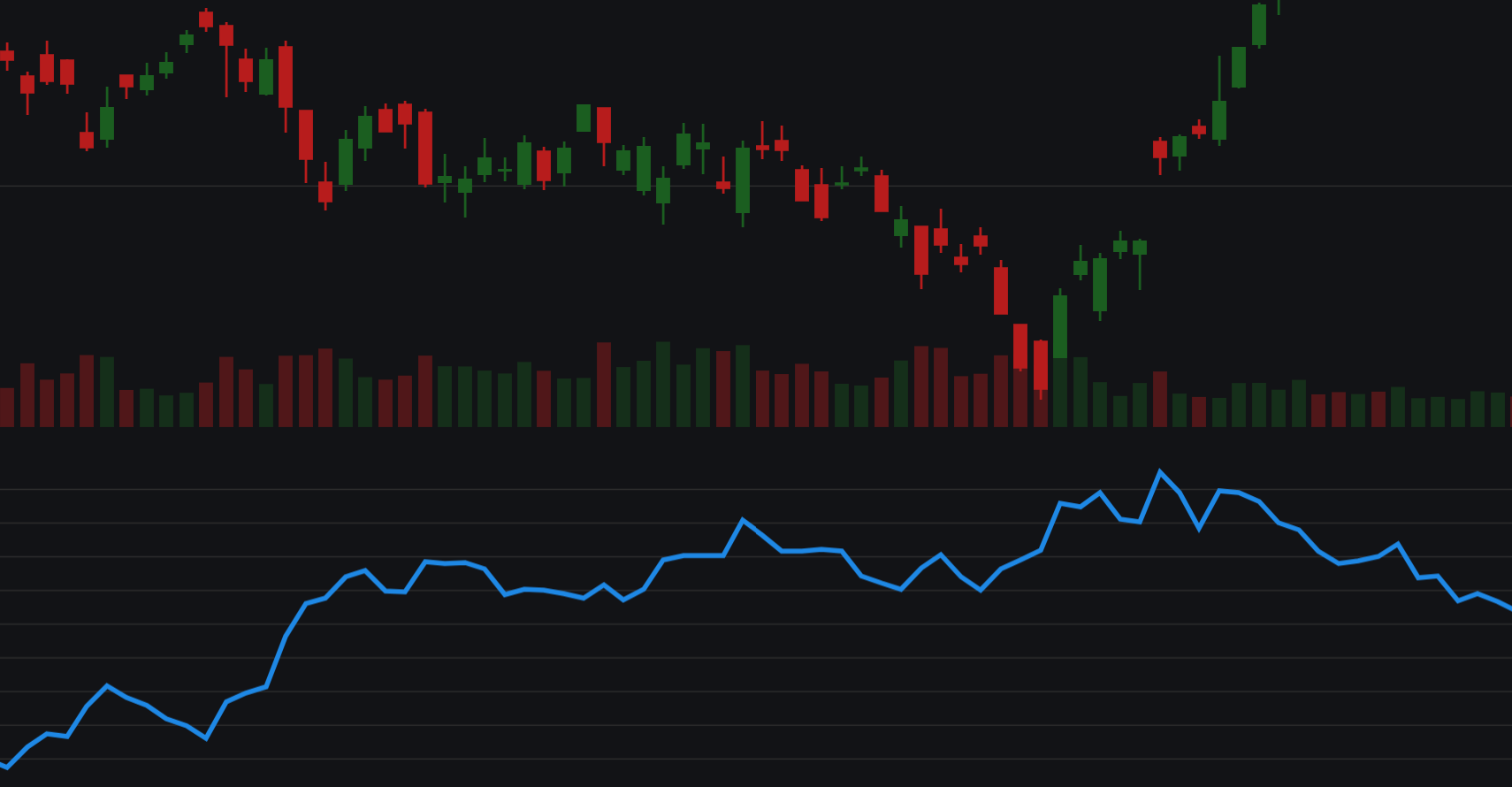
Average True Range (ATR)
Tracks typical price movement size to gauge market volatility
Indicators that measure volatility, momentum, and other intrinsic price properties.
Tracks typical price movement size to gauge market volatility
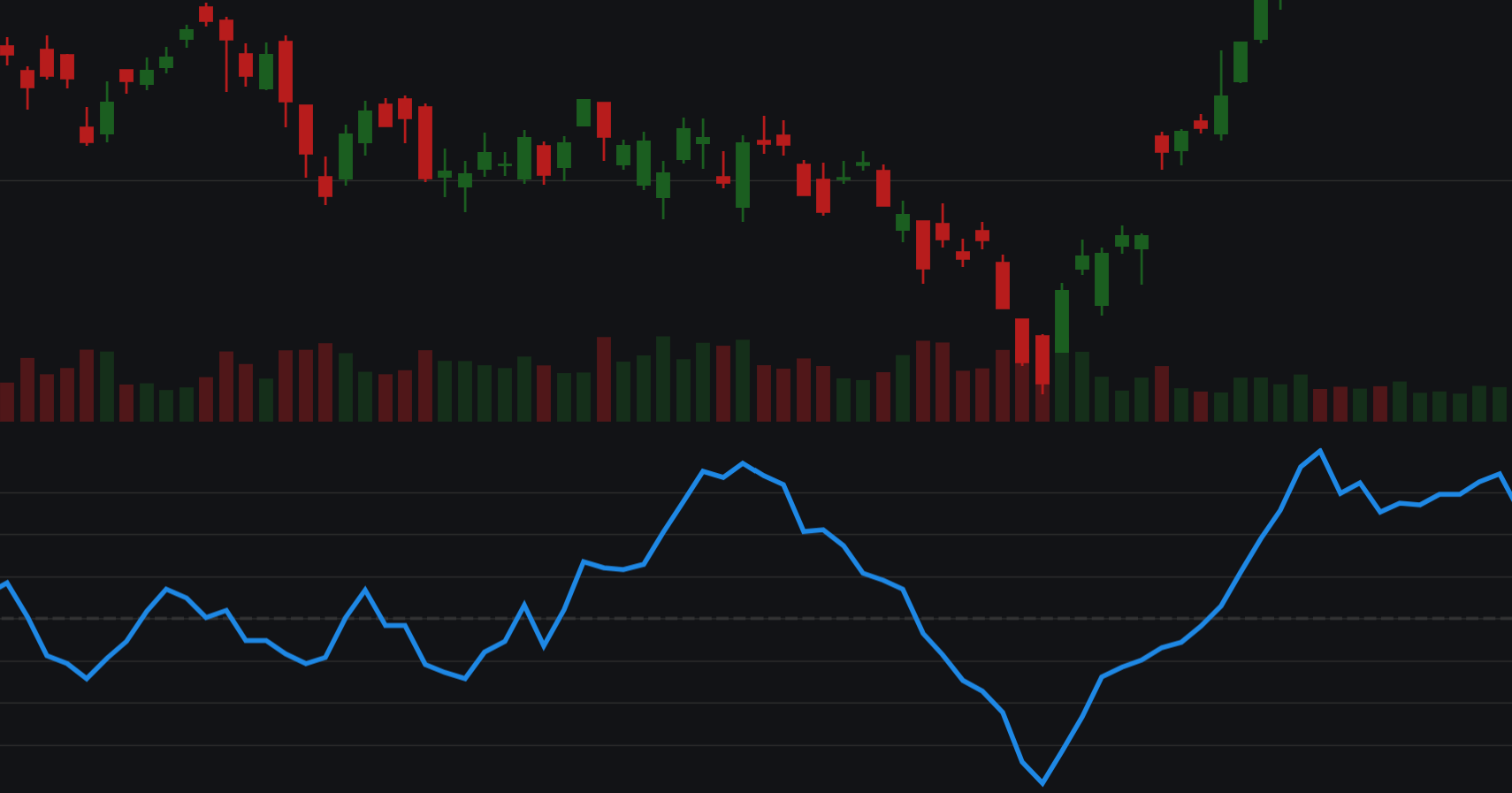
Measures buying and selling pressure from the open-to-close price change
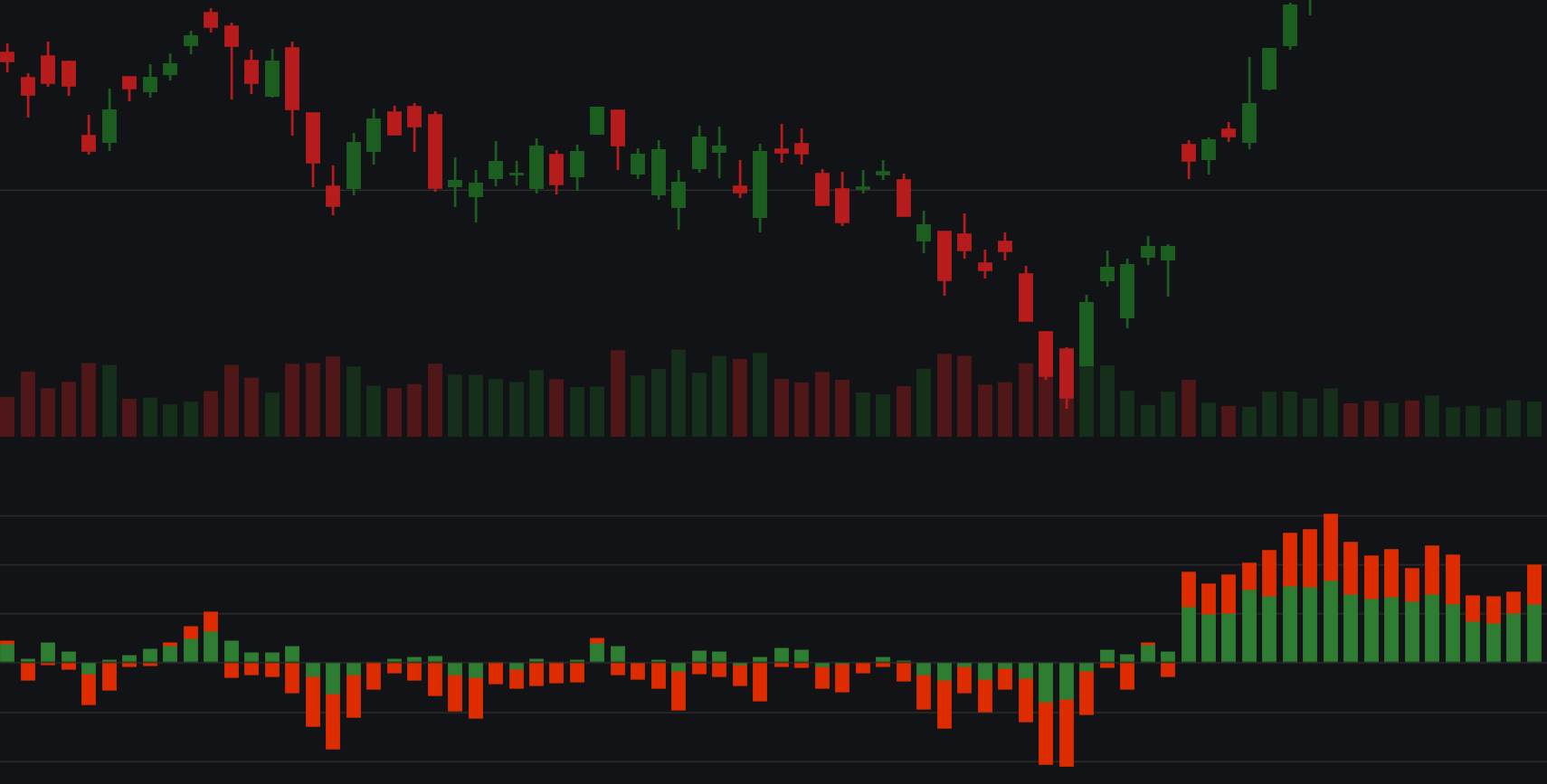
Depicts buying/selling pressure
(aka Elder-ray Index)
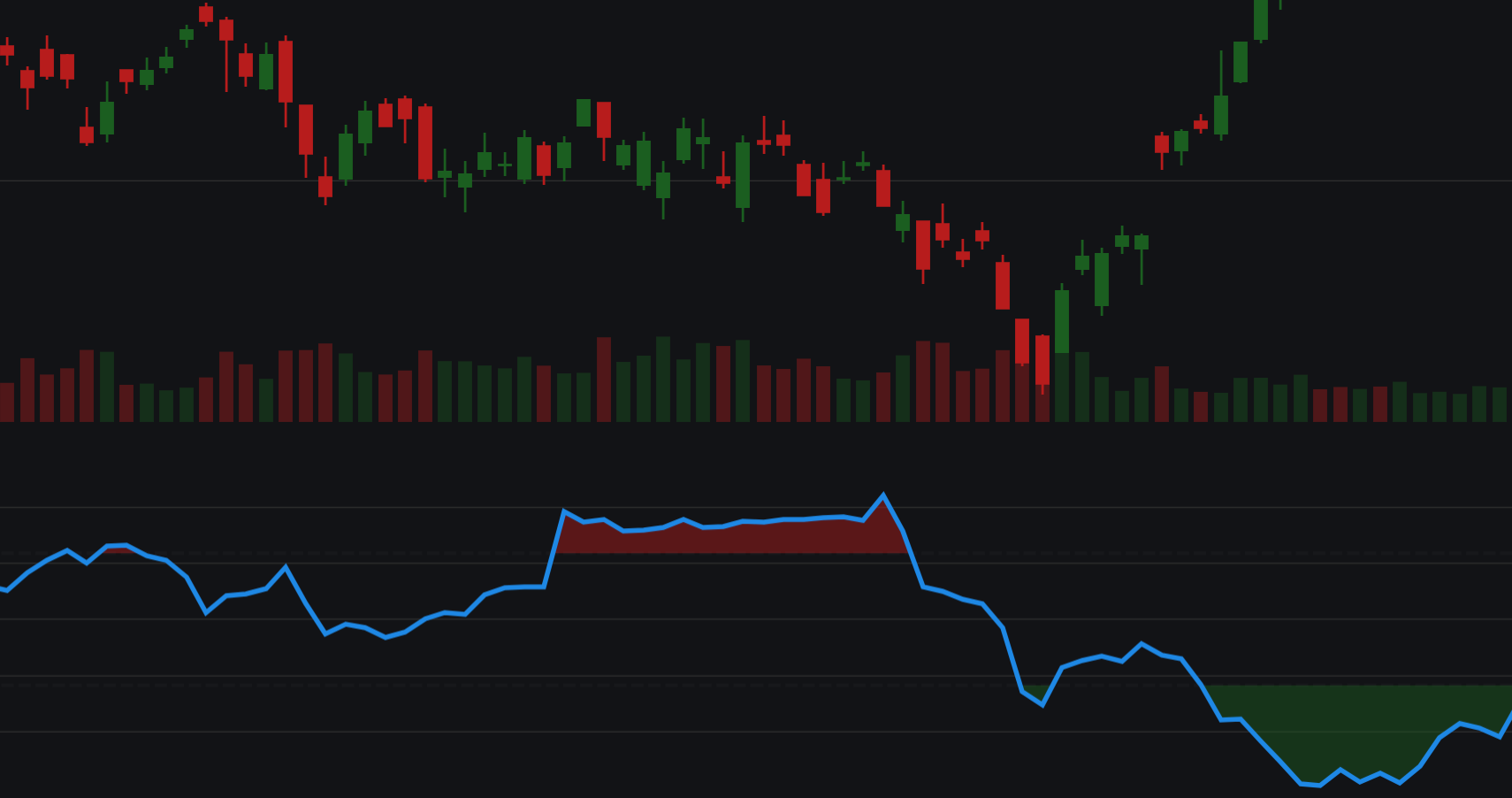
Compares cumulative price movement to overall range to gauge trendiness
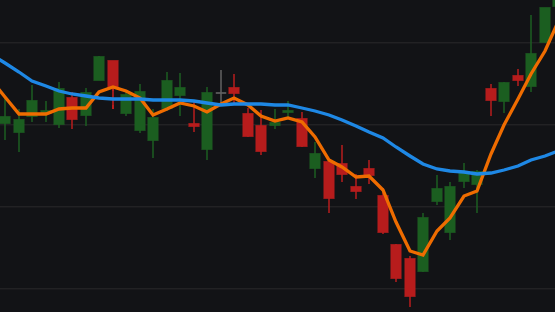
Uses Hilbert Transform methods to estimate the dominant cycle period
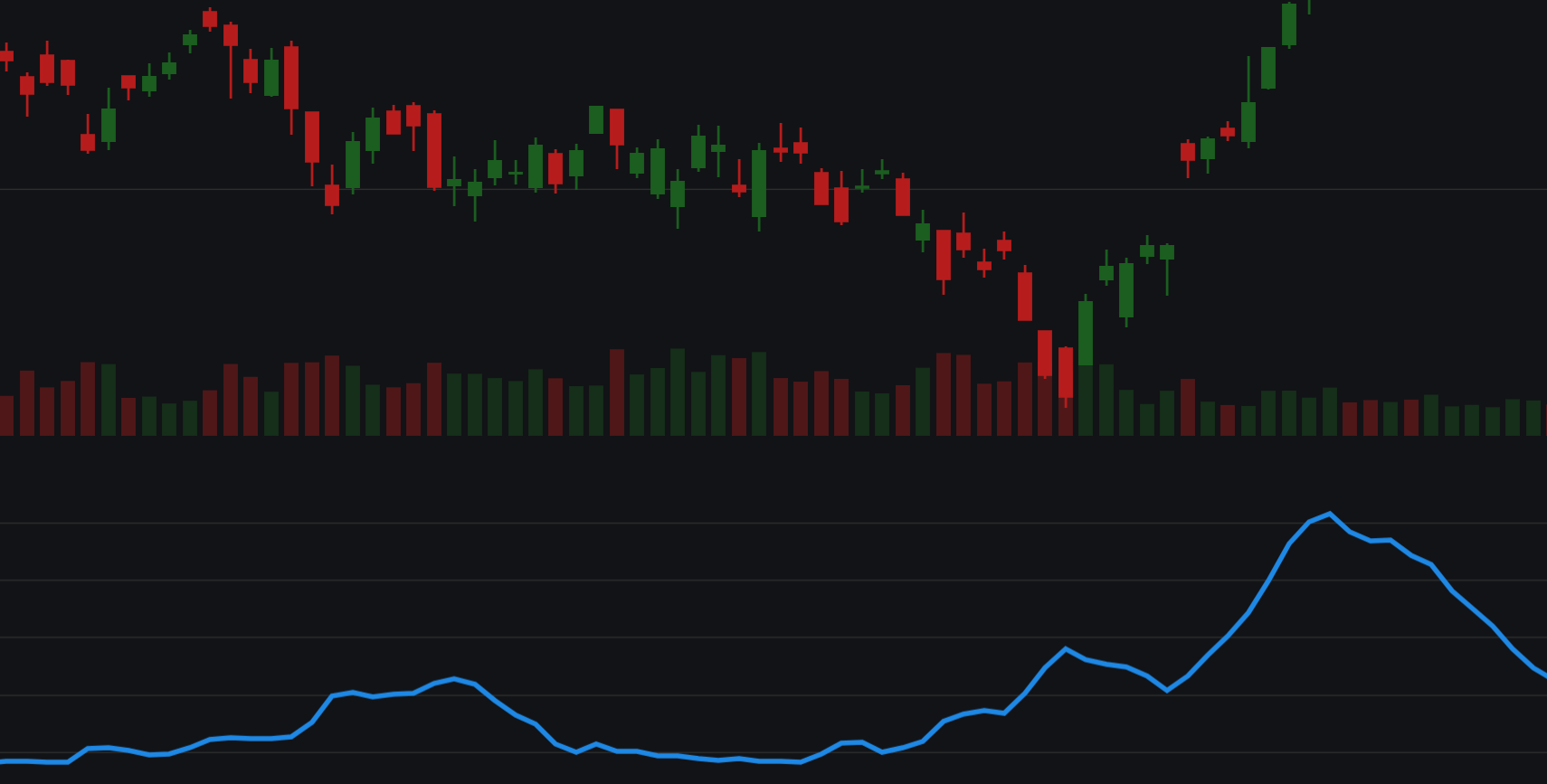
Standard deviation of returns, including Z-score
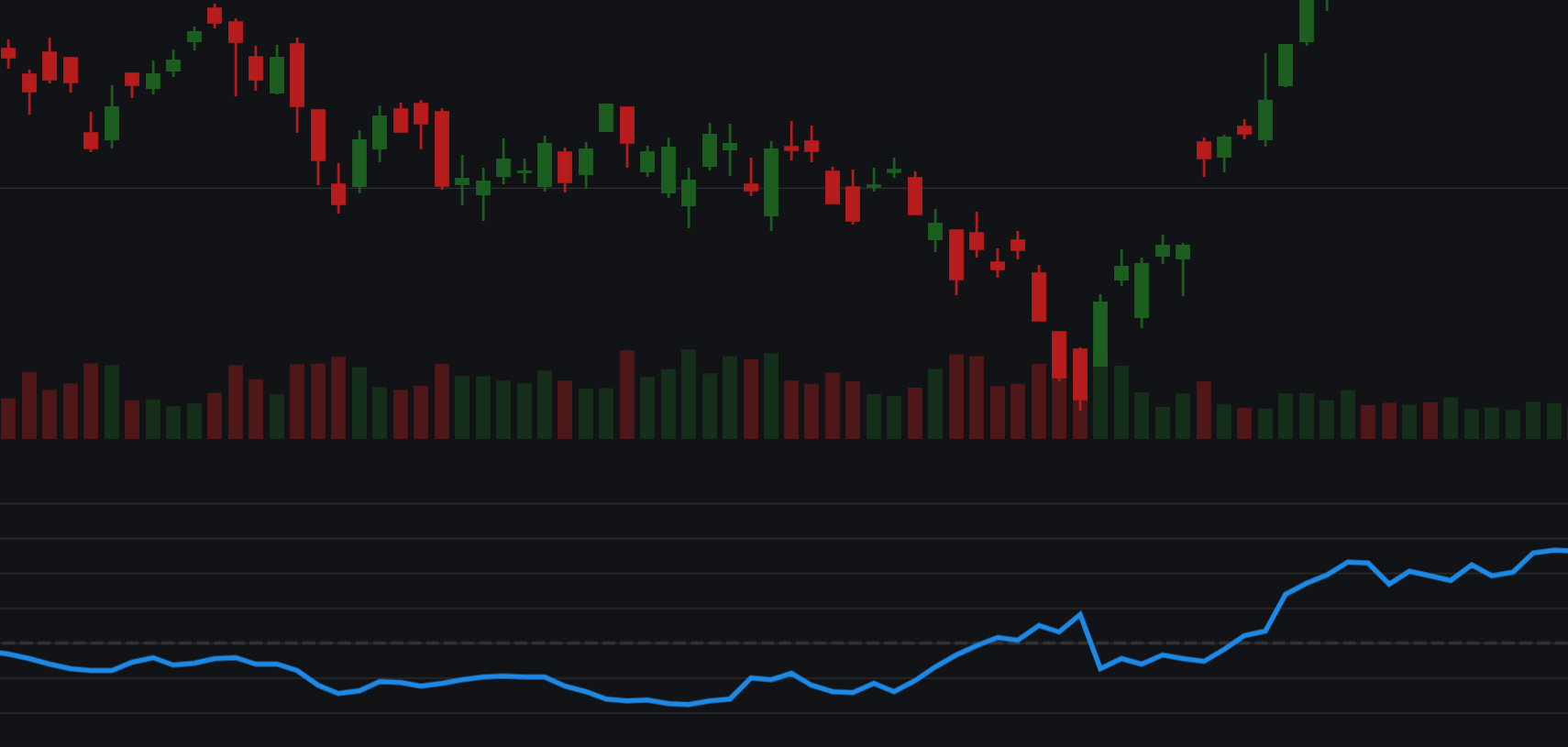
Long-memory persistence measure
(aka Rescaled Range Analysis)
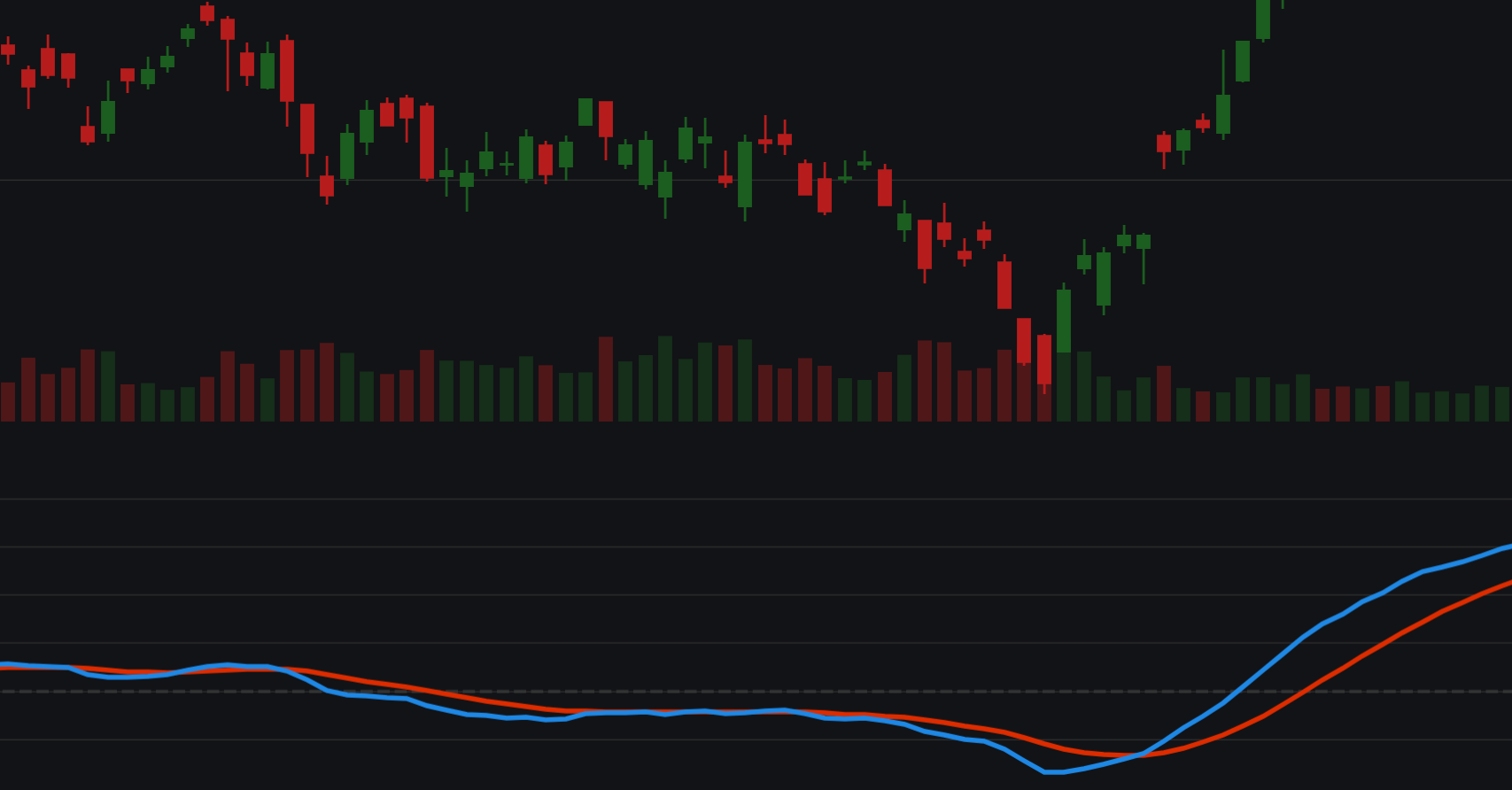
Double-smoothed momentum indicator based on Rate of Change (ROC)

Ratio of price histories to a [market or sector] benchmark price
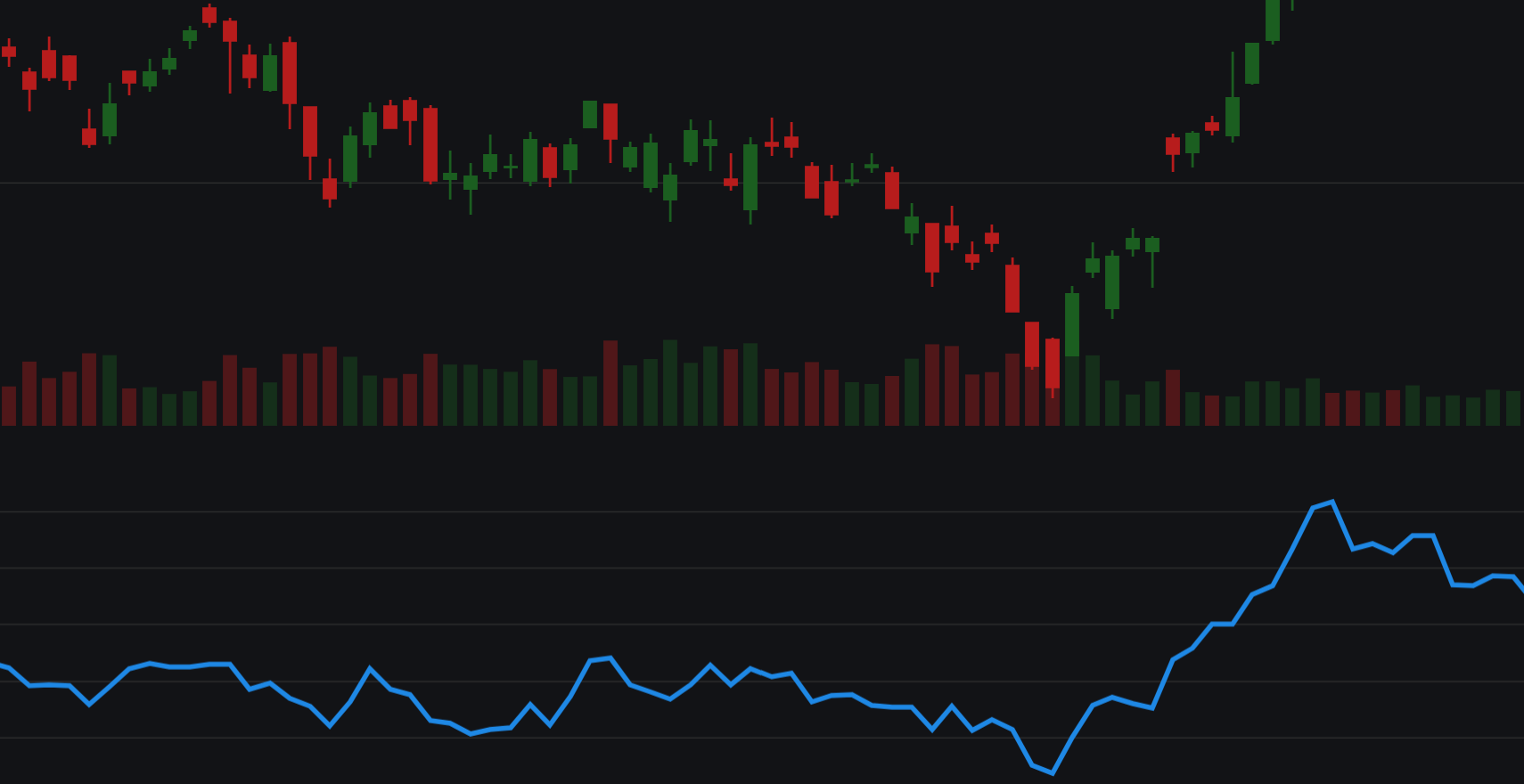
Relative percent (ROC) and absolute (MO) price change, aka Momentum Oscillator (MO)
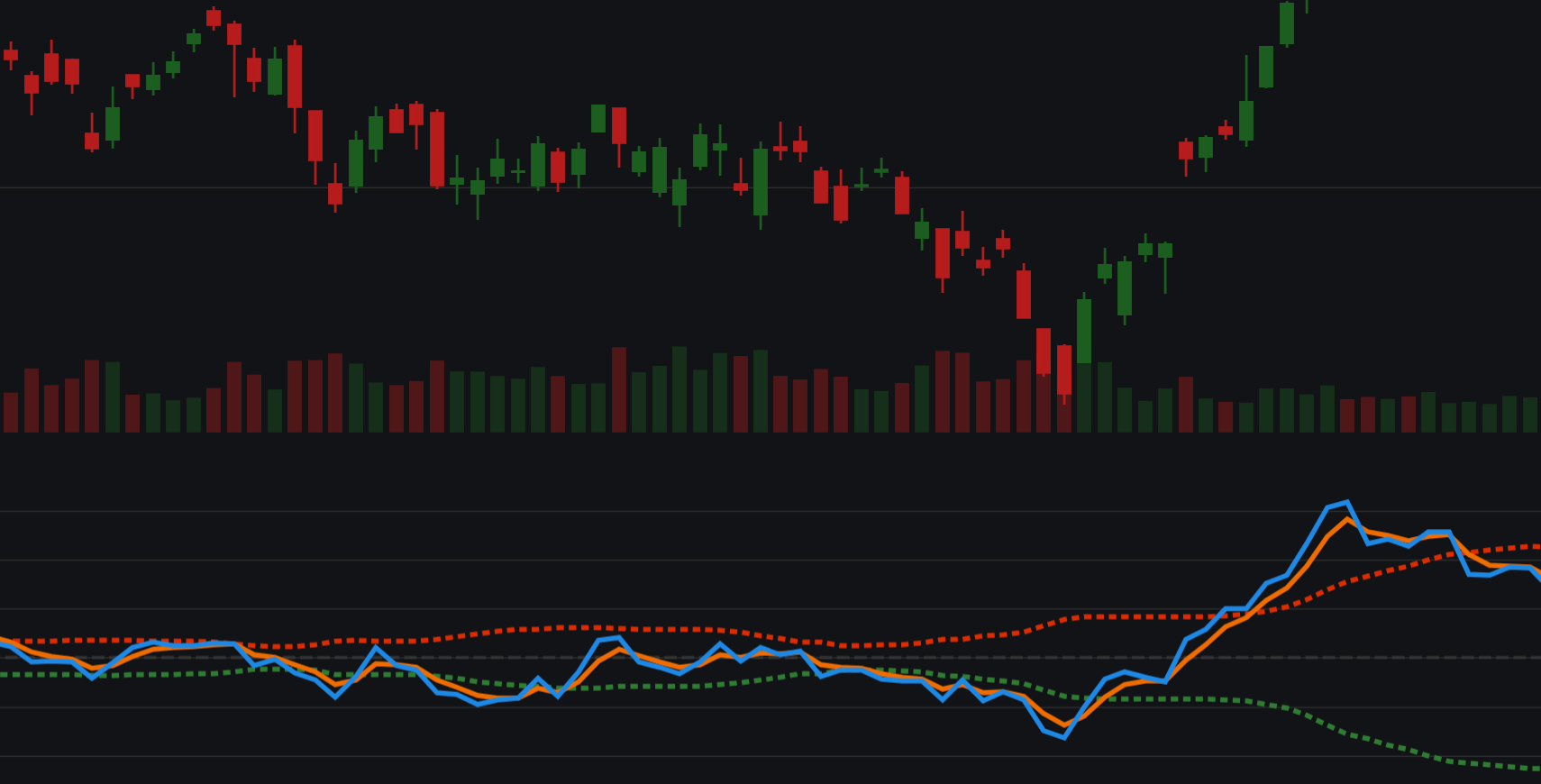
Volatility banded Rate of Change (ROC) with EMA signal line
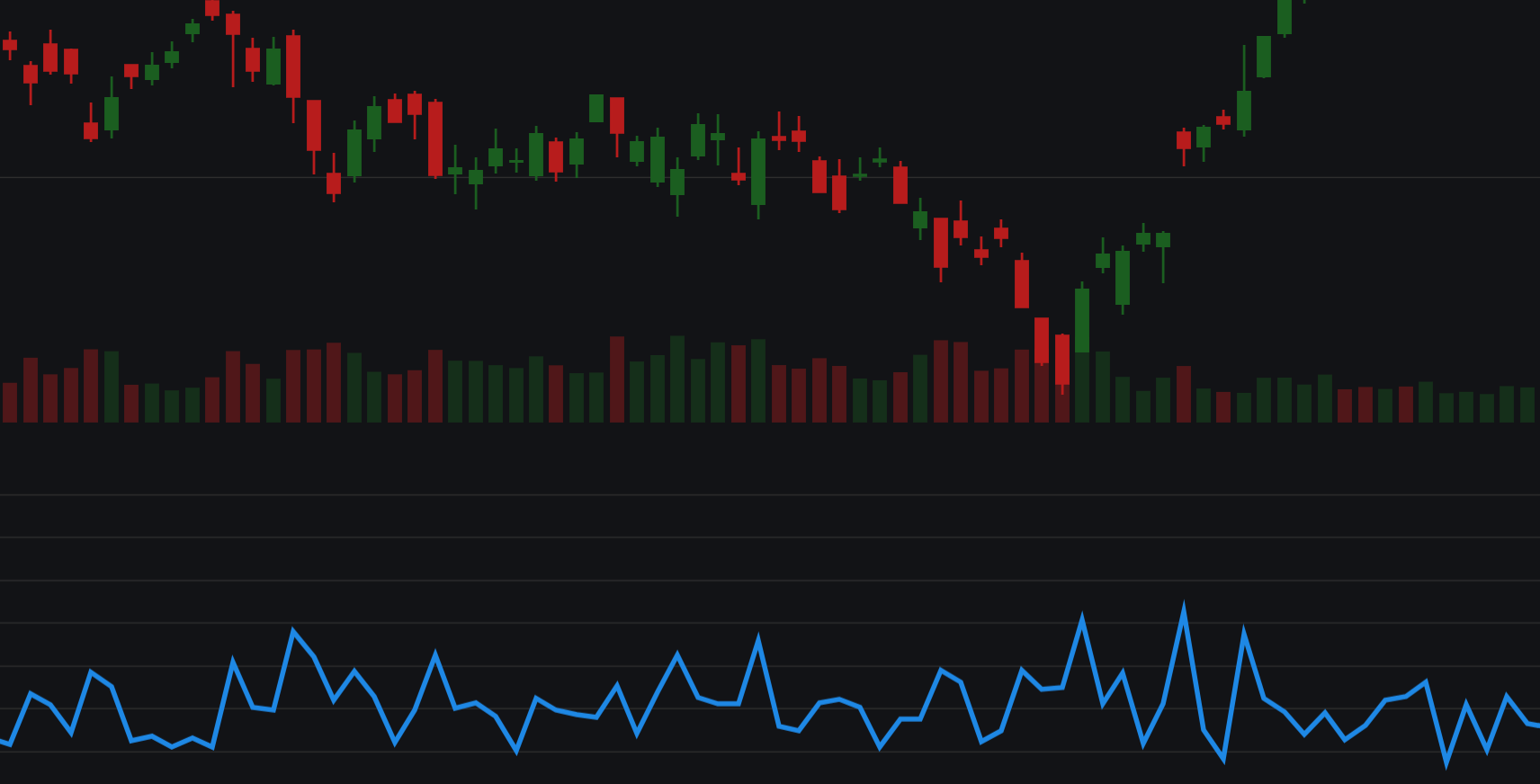
Single-period true range price values
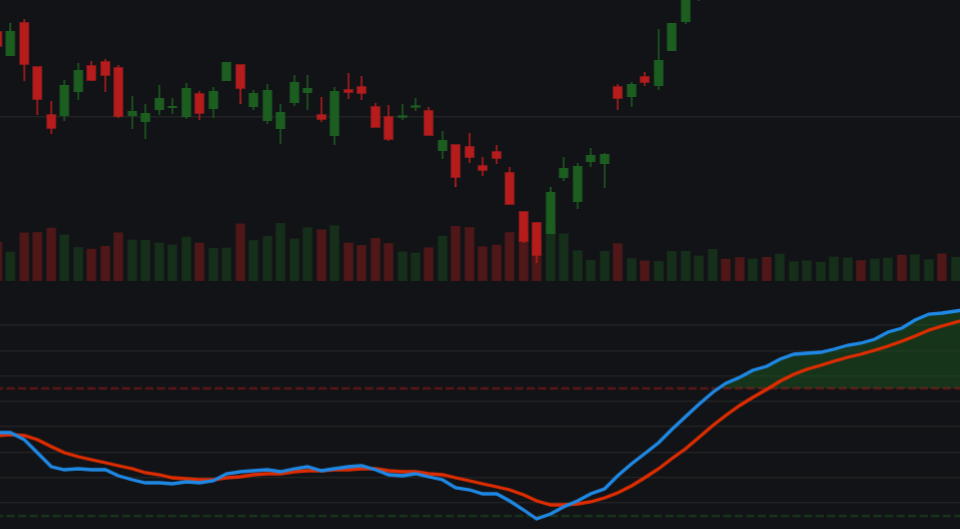
Double-smoothed momentum direction and overbought / oversold conditions
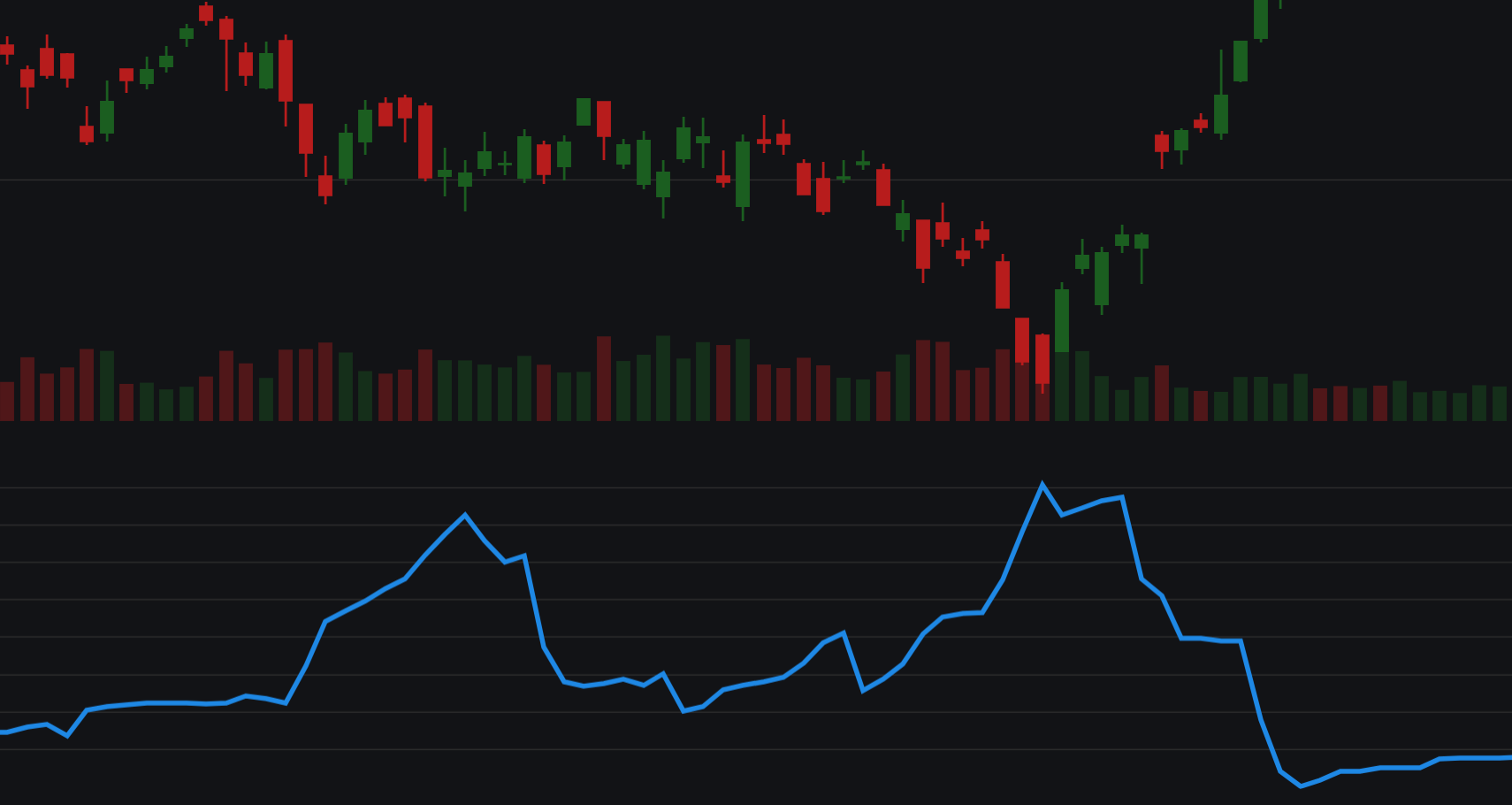
Often called the "heart attack" score, UI measures downside price volatility